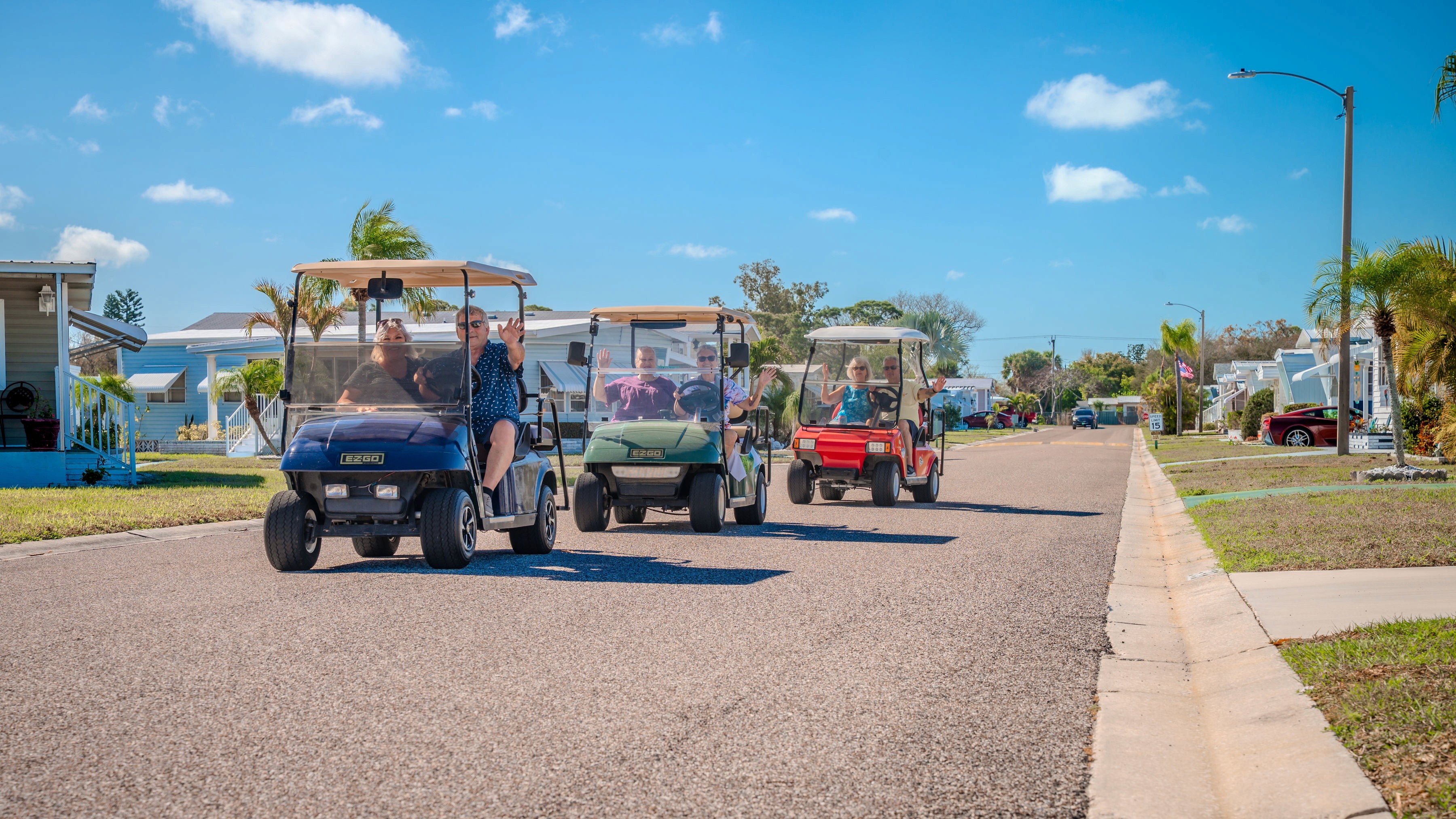
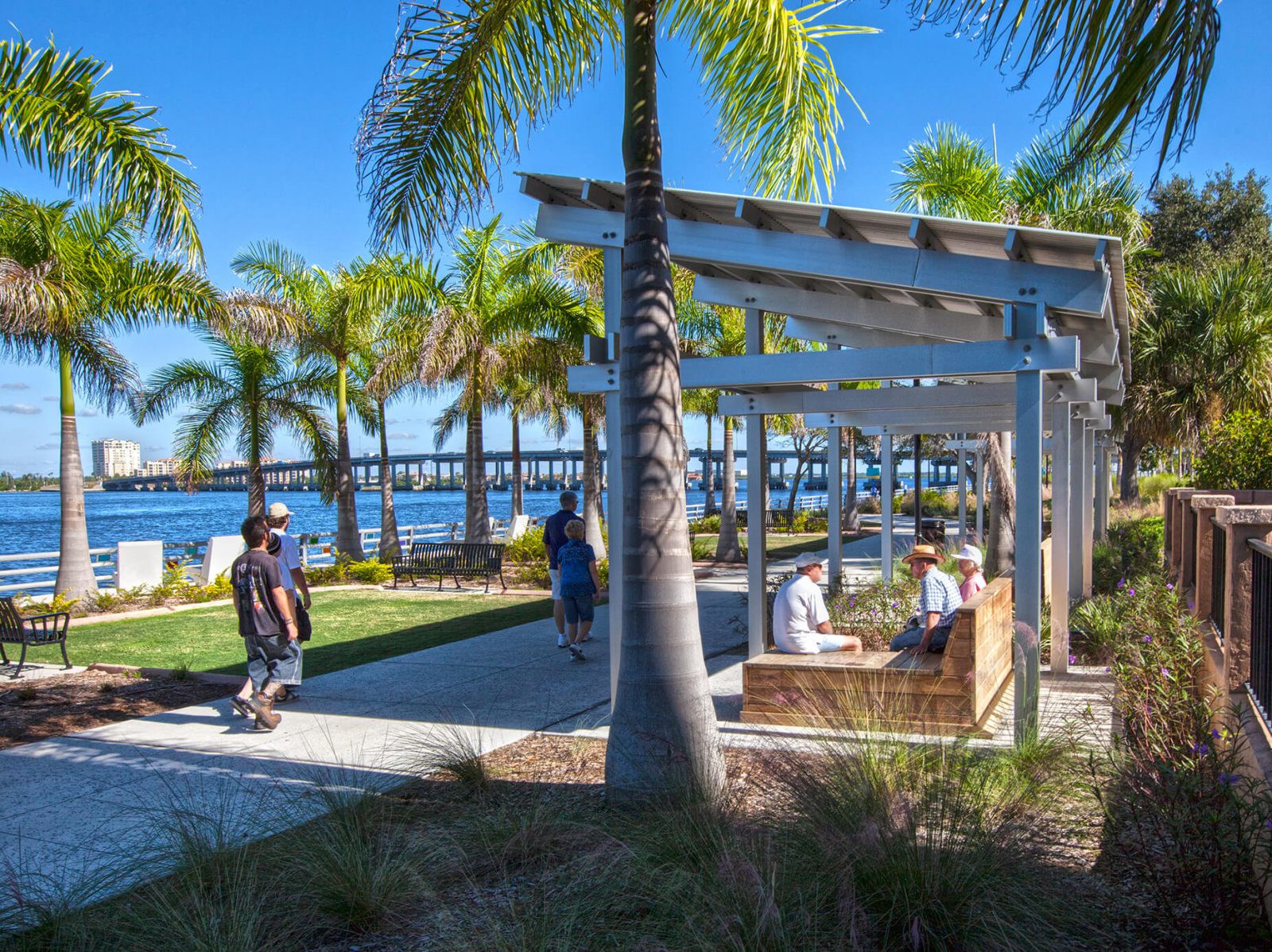
Snowbirds ask us the same question before they commit: what does this actually look like when I am only here half the year? It is the right question. Spending winters in Bradenton and summers back north is a great way to live — but it comes with logistics that year-round buyers never think about.
This guide covers the parts that matter for seasonal living: how costs work when you are away half the year, what to do with your home each summer, why people choose manufactured home communities for this, and what to ask before you sign on.
We manage Hawaiian Village, a 55+ community in west Bradenton, and a good share of our residents are snowbirds. Here is the honest version of how it works.
Why Bradenton Works for Snowbirds
Bradenton has quietly become one of the Gulf Coast’s favorite snowbird landing spots, and the reasons are practical.
The winters are the whole point. From October through April, the weather is warm and dry — the season you came south for. Your closest beach is Anna Maria Island, about 20 to 25 minutes west — a laid-back, seven-mile barrier island with an old-Florida feel, no high-rise condos, and a free trolley that makes a car-free beach day easy. Downtown Sarasota is roughly 20 minutes south, and the famous white sand at Siesta Key Beach about 35. If you have been pricing snowbird rentals in Sarasota or near Siesta Key, this is the part worth noticing: Bradenton offers the same Gulf access at noticeably lower prices than communities inside Sarasota.
The other draw is the community scene. Bradenton’s 55+ communities are built for this rhythm. They fill up in winter, run full activity calendars during the season, and empty out somewhat in summer. If your goal is an easy social life the moment you arrive each fall, an established community beats a stand-alone house in a quiet subdivision.
The Snowbird Calendar: What Each Season Feels Like
Bradenton runs on two rhythms, and snowbirds live the seasonal one.
October to December — arrival. Snowbirds trickle in. Communities come alive, neighbors return, and the social calendar fills back up. Restaurants and roads get busier through the fall.
January to March — peak season. This is the heart of snowbird life. The weather is at its best, every club and activity is running, and the community is at its fullest. Book any seasonal services early; this is when demand is highest.
March to April — departure. Snowbirds head north as spring warms up. The community quiets down. This is when you prepare your home for the months you will be away.
May to September — summer. Hot, humid, and inside hurricane season (June through November). Many seasonal residents are gone. Year-round neighbors and management keep the community running and maintained.
Knowing this calendar helps you plan everything — when to arrive, when to leave, and when to handle home prep.
How Costs Work When You Are Only Here Half the Year
This is the question that trips up first-time snowbirds, so let us be direct.
If you own a manufactured home in a land-lease community, you pay the monthly lot rent or fee package year-round — all twelve months, whether you are in Florida or back north. You are leasing the home site continuously. The fee holds your lot, keeps the community maintained, and keeps the amenities ready for your return. It does not pause when you leave.
At Hawaiian Village, that is the monthly fee package, which covers the land-lease, lawn service at your home site, and full amenity access. The lawn still gets cut while you are away — that is part of what the fee buys, and it is one less thing to arrange from a thousand miles north. Ask for the current all-in amount when you inquire.
For most snowbirds, owning still pencils out. Run the math over several winters: buying a manufactured home and paying year-round lot rent often costs less than renting a seasonal place each year, especially as seasonal rental rates have climbed. And you get the same home, set up the way you like it, every time you come back.
Budget for the year-round costs that continue while you are away: the monthly fee, home electricity (kept low but not off, to manage humidity), insurance, and any internet or services you keep active. Those are the real numbers to plan around.
Leaving Your Home for the Summer
The single biggest difference between snowbird living and year-round living is what you do each May before you head north. Florida summers are hot, humid, and stormy, and an empty home needs to be ready for all three.
A typical pre-departure checklist looks like this:
• Manage humidity. Set the air conditioning to a moderate temperature or use a humidistat so the home does not sit closed up and damp for months. This is the step that prevents mold and musty returns.
• Shut off the water. Turning off the main supply prevents leaks from becoming summer-long disasters. Some residents also drain lines.
• Clear the refrigerator and pantry. Anything that spoils or attracts pests goes.
• Secure outdoor items. Patio furniture, plants, and anything loose gets stored or anchored ahead of hurricane season.
• Forward your mail. Set up USPS forwarding or a hold so nothing piles up.
• Arrange a check-in. A neighbor, friend, or service that looks in periodically catches small problems before they grow.
In a professionally managed community, part of this load is shared. Common areas and your lot’s lawn are maintained while you are gone, and management is on site to coordinate the community’s response if a storm comes through. You still prep your own home, but you are not the only one watching the property.
Seasonal Rental vs. Buying: Which Makes Sense
New snowbirds often start by renting for a season to test the area before buying. That is a sensible first step. A few things to know:
• Seasonal rentals are limited and book early. The good ones for the October-to-April window go fast, often a year ahead. Start looking early.
• Renting costs add up. Several winters of seasonal rent frequently exceed the cost of owning a manufactured home plus year-round lot rent.
• Owning gives you consistency. Your home, your setup, your community, every single year — no scramble to find a place each fall.
Many snowbirds rent once or twice, decide they love the rhythm, and then buy into a community for the long run. If you already know coastal Florida is where you want to spend winters, buying is often the better math.
What to Ask Before You Commit as a Snowbird
Bring these questions to any community you tour:
• Is the monthly fee charged year-round, even when I am away? (In land-lease communities, almost always yes.)
• What does the fee cover while I am gone — lawn, common areas, security presence?
• What are residents expected to do to prepare a home before leaving for the summer?
• How does the community handle hurricane season and storm response?
• Are there any seasonal residents I can talk to about how it really works?
• What seasonal rental options exist, if I want to try before I buy?
The answers tell you whether a community genuinely understands seasonal residents or just tolerates them.

Spend Your Winters at Hawaiian Village
Hawaiian Village is built for the snowbird rhythm. A heated pool, clubhouse, fitness center, and an active winter calendar mean your social life is waiting the day you arrive. Year-round lawn service and professional, on-site management mean your home and community are looked after while you are north. And our west Bradenton location keeps the beaches, shopping, and medical care close — Anna Maria Island minutes away, with Sarasota and Siesta Key Beach a short drive south.
If you are planning your first Florida winter — or tired of scrambling for a seasonal rental every year — come see how it works.
Schedule a tour or call (941) 755-6103. We are happy to connect you with snowbird residents who can tell you what the season is really like.
Frequently Asked Questions
Is Bradenton a good place for snowbirds?
Yes. It offers warm, dry winters, Gulf beaches about 20 to 25 minutes from west Bradenton, lower prices than Sarasota, and an established 55+ community scene that fills from October through April. It is a popular snowbird base on the Gulf Coast.
When do snowbirds arrive in Bradenton?
Most arrive between October and December and head back north between March and April. Winter is the social peak, with the fullest activity calendars and busiest roads. Summer is quieter, hotter, and within hurricane season.
Do snowbirds pay lot rent year-round in a manufactured home community?
In most land-lease communities, yes. If you own a home on a leased lot, you pay the monthly fee all twelve months because you are leasing the site continuously. The fee holds your lot and keeps the community and amenities maintained for your return.
What happens to your manufactured home when you are away for the summer?
Snowbirds prepare the home for heat, humidity, and storms: setting the A/C to manage humidity, shutting off the water, clearing the fridge, securing outdoor items, and forwarding mail. In a managed community, common areas and your lawn are maintained, and management coordinates storm response.
Can you rent a manufactured home seasonally in Bradenton?
Some communities and owners offer seasonal rentals, but availability is limited and books early for the October-to-April season. Many snowbirds eventually buy, since owning often costs less than renting across several winters. Ask each community what seasonal options exist.
• Complete Guide to Manufactured Home Communities in Bradenton, Florida
• What to Know About Lot Rent at a Bradenton 55+ Community
• Living in Bradenton: A Practical Guide for 55+ Residents
• Link to: manufactured-home-communities-bradenton-fl.md
• Link to: lot-rent-manufactured-home-bradenton.md
• Link to: living-in-bradenton-florida-retirees.md
• Link from: Pillar guide, living in Bradenton guide